

After having your gutters installed, it's important to take a few moments to ensure everything is working as it should. Correctly operating gutters guard your home from water damage, basement damage, and soil runoff. Whether you're a homeowner in Arkansas or a contractor, a quick inspection can save you time and money down the line. AGM Gutters is a established supplier for Gutter Installation in Arkansas, and their meticulous work guarantees your system is set up for extended durability.
1. Inspect for Water Flow and Drainage
One of the most important measures after gutter installation is to observe how water flows through the setup. During or after a rainstorm, walk around your home and look for areas where water is pooling or not draining correctly. Gutters should direct water away from your foundation and into downspouts. If you notice water running over the edges or pooling near the base of your house, there may be an concern with the slope or alignment of the gutters.
Take time to check the downspouts as well. They should be directing water at least five feet away from your home. If the water is not flowing smoothly, it could indicate a clog or a misalignment. A simple adjustment or cleaning might be all that's needed to correct the issue.
2. Check for Faults or Spaces in the System
Survey the entire span of your gutters for any signs of Faults or Spaces. These can happen at the edges, around corners, or where the gutters connect to the drain pipes. Even small Leakages can lead to wet damage over time, so it's vital to detect them promptly. Pass your fingers along the inside of the gutters or utilize a flashlight to examine for any noticeable openings or gouges.
If you locate a issue, it’s best to tackle it without delay. In accordance with the dimensions and location, you may be able to patch it with a sealant or replace a segment of the gutter. For larger challenges, a professional may have to reapply or exchange sections of the system. Frequent reviews can help prevent small challenges from becoming major fixes.
3. Review the Securing and Reinforcing Components
Gutters need to be securely fastened to your roof to work as intended. Inspect the brackets, hangers, and screws that hold the gutters in place. Unsecured or damaged fasteners can lead to gutters to sag or detach from the house, leading to inefficient drainage and possible harm. If you observe any of these issues, tighten or install the components as required.
Reinforcement structures are especially important in Arkansas, where climatic factors can shift. Powerful gusts, intense rainfall, and weather shifts can impact the stability of your gutters. Ensure the brackets are evenly spaced and that the gutters are firmly anchored along their full span. This helps prevent slumping and ensures the system operates effectively.
4. Inspect the Gutter Pipes for Obstructions
Downspouts are a important part of your gutter system, charged for moving water away from your home. To inspect them, dump a bucket of water into the top of the downspout and monitor how it flows. If the water moves fast and effortlessly, the downspout is likely clear. If it slows down or backs up, there may be a clog inside.
Blockages can be caused by leaves, debris, or even small pests. Use a garden sprinkler to rinse the downspout from the top, or consider installing a downspout filter to stop future clogs. Regular maintenance of the downspouts helps ensure your gutters continue to function properly and guard your home from water issues.
5. Examine the Surrounding Area for Moisture Damage
After your gutters are installed, take a close look at the area around your home. Examine the foundation, basement, and landscaping for any signals of water damage. Look for cracks, wet soil, or standing water near the base of your house. https://dok.kompot.si/UdToak-FTiS3Kpg79-LWcQ These can indicate that your gutters are not directing water away effectively.
Also, examine the walls and roof for any signs of water intrusion. Water spots, mold, or peeling paint can be early warning signs of a problem. https://md.sigma2.no/a5lw2YnUS4OdK3MbkF-hSg If you observe any of these issues, it may be time to reevaluate the installation or make adjustments to the system. A well-cared-for gutter system can avoid costly fixes and protect your home for years to come.
Common Questions
How regularly should I inspect my gutters after system?
It’s a good idea to check your gutters at least two times a year, one time in the warm season and once in the fall. This helps identify any problems early and ensures the system is working correctly. After heavy storms, a quick review can also be beneficial.
What should I do if I locate a leak in my gutters?
If you locate a opening, begin by cleaning the location and examining for gaps or openings. Minor openings can often be corrected with a adhesive or compound. For bigger problems, you may need to swap a section of the gutter. If you're not sure, it's forever most suitable to seek a specialist for maintenance. https://telegra.ph/Practical-Pointers-for-Organizing-Gutter-Installation-for-New-Construction-in-Arkansas-11-17
Can I set up gutters on my own, or should I employ a professional?
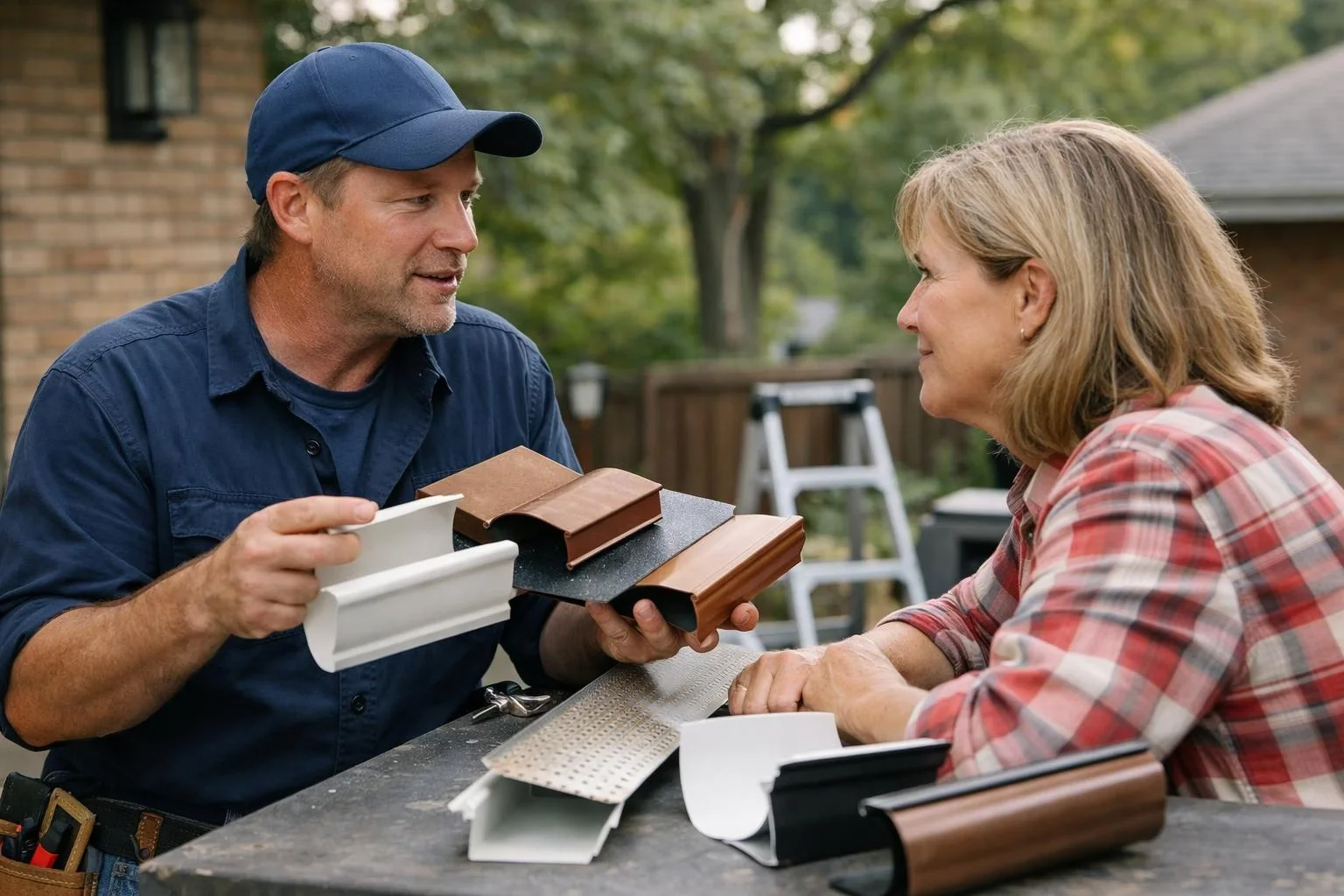
While some residents choose to set up gutters by themselves, it’s frequently most suitable to hire a expert, especially for difficult systems or if you're lacking experience. A expert makes sure the gutters are installed correctly, properly sloped, and securely attached. This supports prevent future concerns and ensures your setup functions as intended.
Last updated November 2026