

Comprehending Gutter Installation in Arkansas
Gutter installation in Arkansas is a critical part of maintaining a home’s stability. Correctly installed gutters help direct rainwater away from the foundation, avoiding water damage and costly repairs. The cost of gutter installation in Arkansas varies depending on several factors, including the variety of materials used, the dimensions of the home, and the complexity of the setup. Grasping these elements can assist homeowners make educated choices when preparing for gutter installation.
Components play a significant role in the total expense and longevity of the system. Typical components include aluminum, iron, and plastic, each with its own advantages and drawbacks. For example, aluminium is lightweight and rust-proof, a favored option in Arkansas. Iron is stronger but can be prone to corrosion if not properly maintained. Vinyl is low-cost but may not last long in severe weather.
The atmosphere in Arkansas also affects the variety of gutter system that is most appropriate. The state faces a broad variety of weather conditions, from heavy downpours in the spring and summer to freezing winters in the north. This variability means that homeowners must opt for components and designs that can withstand these difficulties. In regions like Central Arkansas, where precipitation is common, a robust gutter setup is vital to stop water pooling and potential damage.
Property owners in Arkansas should also evaluate the regional construction rules when preparing their gutter installation. These regulations confirm that installations meet protection and quality criteria, which can influence the entire cost and durability of the setup. No matter if you are a first-time homeowner or looking to upgrade your current gutters, grasping the fundamentals of gutter installation in Arkansas is the initial step toward a successful initiative.
Popular Gutter types Used in Arkansas
In Arkansas, multiple varieties of gutters are often utilized, every with its own set of merits and disadvantages. The most popular options include aluminum, iron, and vinyl gutters. Aluminium gutters are lightweight and less likely to corrode, resulting them a popular choice for many homeowners. They are also easy to set up and can be tailored to suit different top designs. However, they may not be as sturdy as other materials in extreme climates.
Metal gutters are recognized for their sturdiness and resilience. They are suitable for properties in places with intense precipitation or strong blasts. However, iron gutters can be higher pricy and may require ongoing care to prevent oxidation and degradation. This makes them a good option for homeowners who are willing to invest in a long-term answer.
Plastic gutters are an budget-friendly selection that is simple to put in. They are immune to oxidize and do not need painting, which can reduce effort and money. However, PVC gutters may not be as durable as aluminium or iron and can be more likely to fracturing in extreme heat. This makes them a fine selection for homeowners seeking for a budget-friendly solution.
The selection of gutter variety can also rely on the particular demands of the residence. For case, in areas like Central Arkansas, where substantial rainfall is usual, a greater robust system may be essential to deal with the greater water current. In difference, in Northwest Arkansas, where wintry periods can be more cold, gutters that are immune to ice buildup may be higher suitable.
Property owners should also take into account the design and appearance of the gutters when making their choice. Some prefer the classic look of unbroken gutters, while others may choose for a higher contemporary style. https://coloryogurt82.werite.net/8-things-to-include-in-a-gutter-installation-checklist-a-practical-guide-and Ultimately, the top gutter type for a home in Arkansas will base on a mix of aspects, including financial plan, environment, and private preferences.
How Arkansas Climate Affects Gutter Installation
The climate in Arkansas has a vital function in deciding the best approach to gutter installation. The state experiences a extensive variety of weather elements, from strong rainfall in the first part and warm season to freezing winters in the northern part. These changes can impact the effectiveness and longevity of a gutter system, making it essential for residents to select elements and designs that can handle these challenges. https://dwyer-haynes-3.thoughtlanes.net/comparing-what-to-look-for-in-a-gutter-installation-contract-in-arkansas-vital-benchmarks-broken-down-1794973321
In Central Arkansas, where rainfall is frequent, a effective gutter system is critical to prevent water buildup and potential damage. Severe rainfall can overwhelm a poorly designed system, leading to water seeping into the foundation or causing erosion around the home. This is why many homeowners in this region opt for materials that are durable and can handle high volumes of water. For example, aluminum gutters are often preferred for their resistance to rust and ability to withstand moisture.
In Northwest Arkansas, the colder winters can pose additional challenges for gutter systems. Snow and ice buildup can cause gutters to sag or even detach from the roof, leading to costly repairs. This is why homeowners in this area often choose gutters that are designed to handle ice and snow. Copper gutters, for instance, are more durable and can withstand the weight of ice, making them a popular choice in colder regions. However, they may require more maintenance to prevent rust and corrosion.
The influence of weather on gutter installation is not limited to just water and snow. Extreme temperature, powerful winds, and even frost can all impact the function of a gutter system. In regions like Little Rock and Fort Smith, where the climate can be more variable, it's important to pick components that can endure these situations. This may involve choosing gutter systems that are more element-resistant or including additional attributes such as leaf guards to avoid clogging.
Ultimately, the climate in Arkansas influences not only the decision of supplies but also the installation process itself. Homeowners should work with experts who understand the local weather trends and can recommend the best options for their particular demands. By taking these elements into account, homeowners can guarantee that their gutter systems are both operational and enduring, delivering protection against the elements throughout the season.
Effect of Intense Precipitation in Central Arkansas
Heavy downpour in Central Arkansas can have a considerable influence on gutter systems, making it essential for homeowners to pick the right supplies and designs. This region encounters regular and sometimes strong downpour during the spring and summer periods, which can burden a badly designed gutter system. When gutters are not properly placed or looked after, they can become blocked with waste, leading to liquid spill and potential harm to the home's groundwork.
In places like Little Rock, where intense precipitation is frequent, homeowners usually opt for gutters that are designed to handle considerable volumes of liquid. Metal gutters are a popular choice due to their sturdiness and resistance to rust. These gutters can effectively direct water away from the home, stopping liquid from accumulating around the groundwork. However, even the best supplies can collapse if not properly maintained, which is why frequent washing and checks are crucial.
Another aspect to consider is the angle of the roof and the dimension of the gutters. A more inclined roof inclination can assist liquid flow more fast into the gutters, cutting the chance of overflowing. However, longer gutters may require extra support to prevent sagging, especially in places with heavy rainfall. This is where qualified placement develops important, as professionals can analyze the specific demands of the house and advise the greatest solutions.
Homeowners in Middle Arkansas should also be aware of the possibility for flooding, especially in lower places. A well-designed gutter system can assist reduce this possibility by leading liquid away from the home and into suitable sewer systems. This not only guards the framework of the property but also helps avoid ground depletion and damage to surrounding outdoor areas.
By grasping the influence of intense rain in Central Arkansas, homeowners can reach educated choices about their gutter systems. Picking the proper supplies, ensuring adequate setup, and caring for the system regularly can all contribute to a more effective and long-lasting solution.
Frost Conditions Points in Northern Arkansas
Winter weather in Northwest Arkansas presents unique challenges for gutter systems, making it crucial for homeowners to choose components and configurations that can endure the cold. This region experiences more severe thermometers and higher winter precipitation compared to other parts of the state, which can cause frozen deposits and potential damage to gutters. Comprehending these challenges is crucial to making sure that the gutter system stays operational throughout the winter months.
One of the primary concerns in Northwest Arkansas is ice formation. When snow accumulates on the roof, it can melt and then refreeze, forming ice dams that can block gutters and cause water to back up under the shingles. This can lead to leaks and water damage inside the home. To combat this, homeowners may opt for gutters that are designed to handle ice, such as steel gutters, which are more durable and can withstand the weight of ice without sagging or breaking.
In addition to ice, heavy snowfall can also put additional strain on gutters. The weight of the snow can cause gutters to bend or even fall off from the roof, leading to expensive repairs. This is why it's important to choose gutters that are sturdy and can support the added weight. Frequent maintenance is also important, as snow and ice can gather quickly and need to be cleared before they cause harm.
Another factor to consider is the type of rooftop substance used. Some components are more susceptible to frozen water injury than others, and this can impact the effectiveness of the gutter system. Homeowners should partner with professionals who comprehend the regional weather and can suggest the best solutions for their specific demands. This may involve installing extra reinforcement brackets or utilizing substances that are more resistant to chilly conditions.
By taking into account these winter weather considerations, homeowners in Northwest Arkansas can make sure that their gutter systems are ready for the challenges of the season. Choosing the right materials, making sure proper installation, and caring for the system regularly can all aid to a more effective and long-lasting solution.
Top Options for Gutter Installation in Arkansas
Picking the best materials for gutter installation in Arkansas is crucial for guaranteeing durability and functionality in the state's varied environment. Property owners must consider factors such as climate resilience, cost, and upkeep needs when selecting the proper choices for their gutter setup. The widely employed options in Arkansas consist of aluminum, iron, and plastic, each with its own collection of pros and cons.
Sheet metal gutters are a common choice due to their compact nature and protection against rust. This makes them ideal for areas with dampness and frequent rainfall, such as Central Arkansas. They are also straightforward to mount and can be tailored to match different roof styles. However, aluminum gutters may not be as sturdy as other materials in harsh climates, and they can be prone to dents if not well cared for.
Steel gutters are known for their resilience and durability, making them ideal for homes in areas with heavy rainfall or powerful breezes. They are especially appropriate for North Western Arkansas, where chilly conditions and snowfall can put additional stress on the gutter system. However, steel gutters can be costlier than aluminum or vinyl and may demand frequent care to stop rust and corrosion. This makes them a viable option for homeowners who are willing to invest in a lasting option.
Vinyl gutters are an cost-effective option that is simple to set up and demands low care. They are resistant to rust and do not require painting, which can reduce effort and costs. However, vinyl gutters may not be as long-lasting as aluminum or steel and can be more prone to cracking in severe weather. This makes them a suitable option for residents looking for a affordable alternative.
In addition to these materials, homeowners may also consider alternate options such as copper or galvanized steel, which offer special benefits but come with increased costs. The best material for a home in Arkansas will depend on a combination of factors, including budget, weather, and personal preferences. By understanding the merits and weaknesses of each material, homeowners can make an knowledgeable decision that ensures their gutter system is both operational and long-lasting.
Typical Expense of Gutter Installation in Arkansas
An standard cost of gutter installation in Arkansas may change depending on several elements, including the kind of materials employed, the dimension of the dwelling, and the complexity of the setup. Generally, property owners can expect to spend among $300 and $1,500 for a basic gutter setup, with the final price determined by the exact requirements of the task. This scale shows the different options present, from basic plastic installations to higher sturdy aluminum or aluminum installations.
An of the primary factors that impact the expense of gutter installation is the variety of components selected. Metal gutters represent usually higher affordable and offer a reasonable balance of resilience and expense, rendering them a popular choice for many residents. Steel gutters, while more costly, supply more sturdiness and longevity, especially in zones with severe conditions. Vinyl gutters constitute the highest economical selection but might demand more frequent maintenance and repair over time.
The scale of the residence as well plays a important role in figuring out the expense. Larger residences with more intricate roof designs would necessitate higher supplies and effort, which may rise the entire price. https://graph.org/Practical-Pointers-for-Organizing-Experienced-Gutter-Installation-Services-in-Arkansas-11-18 In cities like Little Rock and Fort Smith, at which the weather might exist greater unpredictable, homeowners could have to allocate in higher-quality components to guarantee long-term performance. This may cause to higher initial charges but could cut resources in the future by cutting the need for repairs and updates.
In addition to components and home size, the complexity of the installation can also impact the concluding expense. Homes with distinct structural aspects or difficult entry may demand more labor and specific equipment, that might contribute to the overall price. Professional setup is usually recommended to guarantee that the setup is properly installed and fulfills regional construction standards, that can too influence the concluding cost.
By comprehending the aspects that impact the average expense of gutter installation in Arkansas, property owners can perform well-informed choices about their tasks. Picking the proper components, considering the dimension of the dwelling, and accounting for the intricacy of the setup may each support confirm that the task is as well efficient and enduring.
Factors That Influence Gutter Installation Prices
Several factors can influence the cost of gutter installation in Arkansas, making it crucial for homeowners to comprehend what results to the final price. One of the most important factors is the kind of materials used. As previously stated, aluminum, iron, and plastic gutters each have distinct price, with metal usually being the most pricy and polymer the most inexpensive. The option of substance can greatly impact the overall price, as well as the prolonged resilience and maintenance needs.
The dimension of the home is another important factor that influences installation costs. Bigger properties with more complicated rooflines require greater materials and work, which can increase the cost. In metropolitan areas like Fayetteville and Springdale, where residences may have special structural aspects, the installation method can be more slow, causing to greater work expenses. This is why it's important to obtain a comprehensive estimate from a professional contractor who can account for all the specific aspects of the task.
The complexity of the installation itself can also contribute a part in the final price. Homes with hard points spots, such as sloped ceilings or constricted locations, may need additional work and custom devices, which can contribute to the price. In areas like Northwest Arkansas, where cold weather can lead to installations more challenging, experts may need modify their approach to ensure the setup is correctly placed and operational.
Another element to take into account is the requirement for more aspects such as plant protective covers or drain modifications. These can boost the performance of the gutter unit but may also elevate the overall price. Residents should weigh the advantages of these features against the extra expense to decide if they are worth the investment.
Finally, local building rules and regulations can also impact the cost of gutter installation. In towns like Little Rock and Fort Smith, particular regulations may demand certain resources or installation techniques, which can impact the end price. Working with a experienced individual is knowledgeable with local regulations can help ensure that the installation meets all necessary requirements without unneeded costs.
By considering these aspects into account, homeowners in Arkansas can more understand what impacts the cost of gutter installation and take knowledgeable decisions about their endeavors.
Professional Gutter installation Steps in Arkansas
Professional gutter installation in Arkansas includes a series of well-defined steps to ensure that the system is properly installed and functions effectively. The process typically begins with an initial assessment of the home, where a professional installer inspects the roofline, existing gutters, and any potential issues that may need to be addressed. This step is essential for determining the best approach and materials for the installation.
Once the assessment is complete, the next step is to set up the site. This involves removing any existing gutters and debris, ensuring that the roof is clean and free of obstacles. The installer will also inspect for any signs of damage or wear that may need to be repaired before the new system is installed. This preparation helps to ensure that the new gutters are installed correctly and will function as intended.
After the site is prepared, the installation of the new gutters begins. This involves calculating and trimming the gutters to fit the specific dimensions of the home. The gutters are then attached to the fascia board using brackets and screws, ensuring that they are properly placed and secure. In areas like Central Arkansas, where heavy rainfall is common, the installation process may include additional steps to bolster the system and prevent water buildup.
Once the gutters are in place, the next step is to mount the downspouts. These are located to direct water away from the home, preventing water from accumulating around the foundation. The downspouts are connected to the gutters and fixed in place, ensuring that they are properly aligned and functional. In colder regions like Northwest Arkansas, the installation may involve additional measures to prevent ice buildup and damage.
After the installation is complete, the final step is to conduct a complete inspection. This involves reviewing the entire system to ensure that everything is functioning correctly and that there are no leaks or issues that need to be addressed. The professional installer will also supply recommendations for care and care to help prolong the life of the gutter system.
By following these procedures, professional gutter installation in Arkansas ensures that homeowners have a reliable and successful system that safeguards their homes from the elements. Partnering with a experienced installer can help confirm that the process is carried out efficiently and that the end result satisfies all required requirements.
Gutter upkeep Advice for Arkansas residents
Maintaining gutters is essential for ensuring their long-term performance and preventing issues to a home in Arkansas. Ongoing maintenance helps to keep the system functioning properly, especially in areas with intense rainfall or severe weather conditions. Homeowners should make it a focus to examine and clean their gutters at least on a biannual basis a year, best in the first half and late season, to clear trash and prevent blockage.
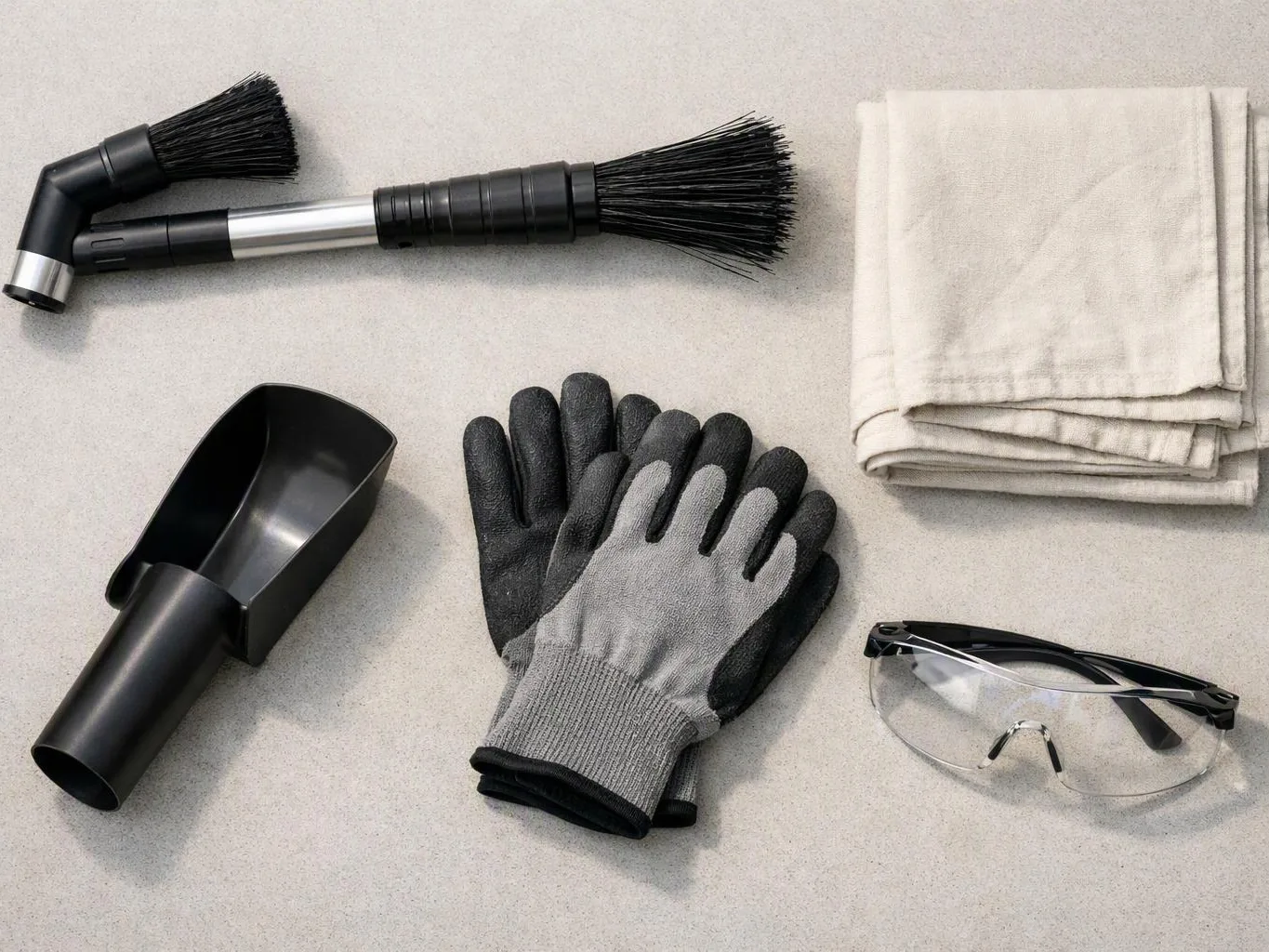
One of the most maintenance duties is clearing the gutters to remove foliage, twigs and other material that can build up over time. This collection can lead to water to overflow, resulting in possible issues to the ceiling, sides and base. In areas like Middle Arkansas, where rainfall is common, ongoing clearing is particularly important to stop water from pooling and leading to challenges. Homeowners can utilize a ladder and a gutter scoop to clear trash, making sure that the gutters are unobstructed and functioning properly.
In addition to clearing, homeowners should also check for signals of damage or tear. This includes looking for breaks, leaks or drooping gutters that may demand fixing. In freezing zones like Northwest Arkansas, frost collection can lead to gutters to sag or break off, so it's vital to review the system after intense snowfall or freezing temperatures. Resolving these problems quickly can aid avoid additional extensive harm and costly repairs.
Another key aspect of gutter upkeep is reviewing the water pipes. These should be unobstructed of blockages and correctly directed away from the home to stop water from pooling around the foundation. Homeowners should also confirm that the water pipes are firmly secured and that the water is traveling away from the house as planned. In areas with heavy waterfall, it may be advantageous to set up additional water pipes or extend previous ones to improve water flow.
By following these maintenance guidelines, homeowners in Arkansas can make sure that their gutter units remain in healthy state and maintain to defend their homes from the conditions. Ongoing inspections and cleaning can aid stop issues before they become major challenges, saving time and funds in the future.
Arkansas Building Codes for Gutter Installation
Arkansas has distinct building codes that govern gutter installation to ensure that systems are safe, functional, and meet local standards. These codes vary by city and region, with some areas like Little Rock and Fort Smith having additional requirements. Understanding these regulations is critical for homeowners and professionals to ensure that installations are compliant and avoid potential issues.
One of the key aspects of Arkansas building codes is the requirement for proper gutter slope. Gutters must be installed with a small incline to ensure that water flows efficiently toward the downspouts. This prevents water from pooling and lowers the risk of leaks or damage to the home. In cities like Fayetteville and Springdale, where weather patterns can vary, the slope must be thoroughly calculated to accommodate the specific conditions of the area.
Another important regulation is the use of appropriate materials. Building codes often define the types of materials that can be used for gutters, ensuring they are durable and suitable for the local climate. For example, in areas with heavy rainfall, materials that are capable to rust and corrosion may be required. This helps to ensure that the gutter system remains working and long-lasting, even in challenging weather conditions.
In addition to materials and slope, Arkansas building codes also address the installation of downspouts. These must be located to direct water away from the home, preventing water from pooling around the foundation. Some cities may demand downspouts to be extended or connected to a drainage system to more reduce the risk of water damage. This is particularly important in areas like Central Arkansas, where heavy rainfall can lead to considerable water runoff.
Homeowners should also be aware of any local ordinances that may affect gutter installation. These can include constraints on the height of gutters, the type of brackets used, or the placement of downspouts. Partnering with a professional who is familiar with local regulations can help ensure that the installation meets all required requirements and avoids potential fines or delays.
By understanding and following Arkansas building codes for gutter installation, homeowners can make sure that their systems are adequately installed and in line with local standards. This not only supports protect the home but also guarantees that the installation is secure and lasting.
FAQ
What are the most common types of gutters employed in Arkansas?
The most common varieties of gutters used in Arkansas are steel, steel, and steel. Aluminum gutters are popular for their resilience and ability to resist rust, resulting in them a solid selection for regions with regular rainfall. Aluminum gutters are recognized for their strength and are frequently used in lower-temperature zones like North Arkansas. Aluminum gutters are an cost-effective option that requires minimal upkeep, making them a favored option for economical homeowners. For trustworthy Gutter Installation in Arkansas in Arkansas, AGM Gutters provides skilled advice and effective approaches.
What factors influence climate conditions in Arkansas affect gutter setup?
Climate environment in Arkansas significantly impact gutter setup. Torrential rainfall in Mid Arkansas demands gutters that can deal with large quantities of water, while colder cold periods in North Arkansas demand substances that can endure frost and white precipitation. Property owners must pick materials and layouts that are suitable for the regional conditions to secure the longevity and efficiency of their gutter installation.
Which materials are most suitable suited for Arkansas climate?
Choices best suited in Arkansas climate consist of aluminium, steel, and plastic. Aluminium is easy to handle and immune to oxidation, making it suitable for locations with high dampness and regular rainfall. Steel is durable and able endure severe weather circumstances, leading to it a suitable choice for colder zones. Plastic is affordable and easy to service, resulting in it a popular option for property owners seeking a affordable solution.
What is the typical cost of gutter installation in Arkansas?
The average cost of gutter installation in Arkansas ranges from $300 to $1,500, depending on aspects such as the variety of resources applied, the scale of the home, and the intricacy of the installation. Sheet metal gutters are generally less expensive, while metal gutters may be more expensive but offer greater sturdiness. PVC gutters are the cheapest solution but may need more often care.
What are the steps involved in professional gutter mounting?
Skilled gutter mounting involves several steps, including an initial assessment of the home, site preparation, installation of the gutters, and last check. The process starts with assessing the roof edge and current gutters, after eliminating trash and getting ready the site. The gutters are then mounted using supports and screws, making sure they are well placed and secure. At the end, the installation is checked to confirm it operates properly and complies with area building regulations.